.png)
.png)

Preparing Your Landscape for Seasonal Transitions
Spring: Wake-Up and Grow
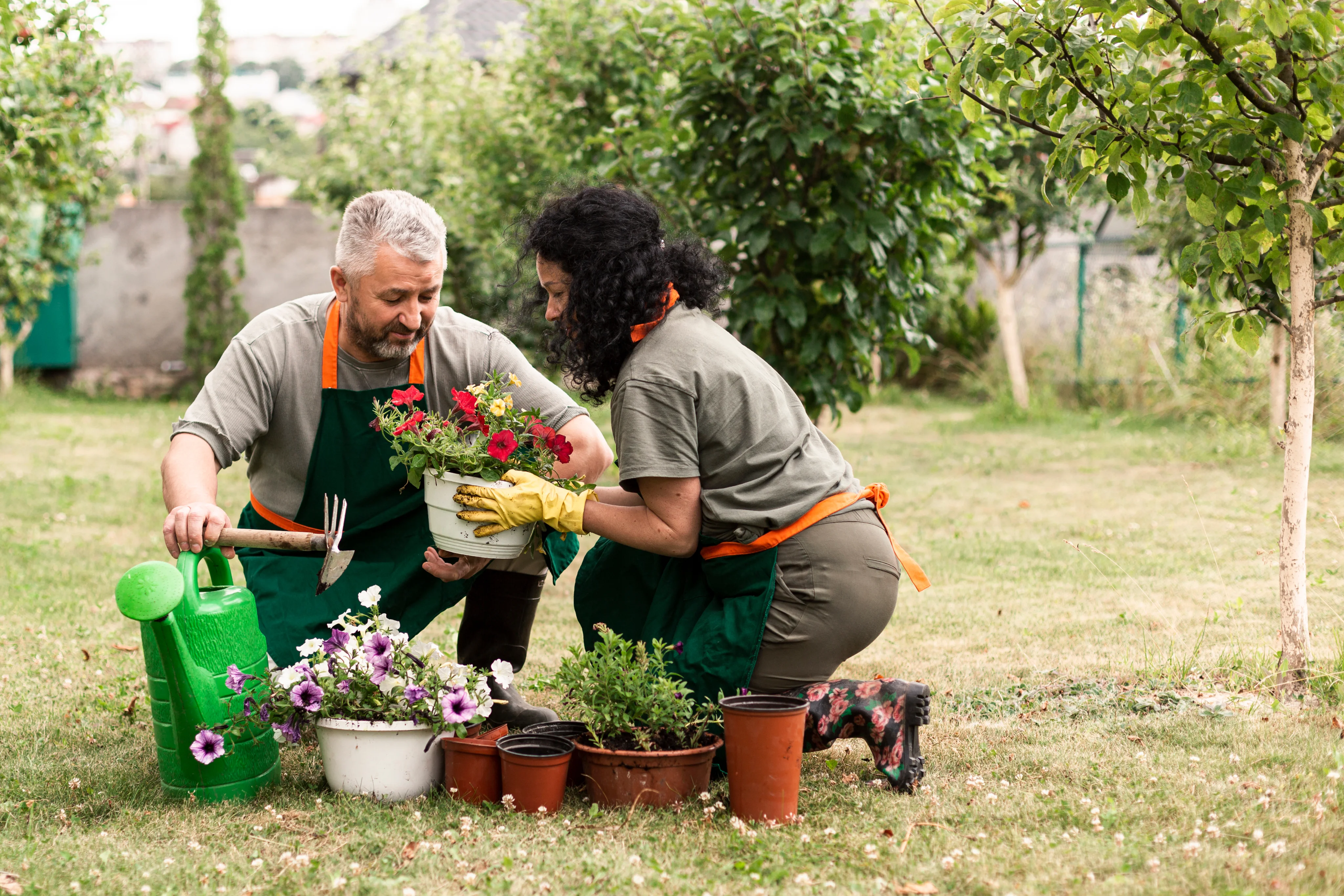
Spring in Northwest Indiana is about recovery and inspection. Winter freeze thaw cycles can shift pavers, stress joints, and impact plant material. Snow and ice may leave behind compaction and salt damage. Before you jump into entertaining season, evaluate everything.
Start with a full walkthrough. Look for settling in hardscape, drainage issues, cracked joints, and damaged plant material. Early attention prevents larger repairs later. Clean surfaces thoroughly so mold, algae, and debris do not stain stone or concrete.
Your lawn needs special attention in spring. Rake out thatch buildup, evaluate bare patches, and consider aeration if soil feels compacted. Inspect irrigation systems before turning them on to ensure heads are aligned and no lines were damaged during winter.
Pool systems should be professionally opened with filtration checked, water balanced, and equipment inspected before heavy use begins.
Spring Priorties:
- Inspect hardscape joints and edge restraints
- Test irrigation before peak season
- Aerate compacted lawn areas
- Open and balance pool water early
- Prune damaged branches before growth accelerates
Summer: Protect From Heat and Heavy Use
Summer is peak enjoyment season, but also peak stress. Lawns face heat and traffic. Pools run constantly. Hardscape surfaces expand under heat exposure. Landscaping needs consistent care to stay vibrant.
Raise mower height slightly during hotter weeks to reduce stress on turf. Water deeply and infrequently to promote deeper root growth. Inspect irrigation coverage to avoid dry zones near patios and structures where reflection heat may intensify drying.
Hardscape surfaces should be cleaned periodically to prevent staining from organic debris. Check for joint erosion in paver systems after heavy rain events. Inspect pergolas and shade structures for loose hardware and ensure fans and lighting systems are operating safely.
Summer focus
- Adjust mowing height during heat waves
- Water early morning to reduce evaporation
- Monitor joint sand in paver systems
- Clean outdoor kitchen surfaces regularly
- Inspect shade structures and lighting
Fall: Prepare for Dormancy and Protect Investments
Fall in Northwest Indiana is preparation season. Cooler temperatures create an opportunity to strengthen lawn roots and prepare systems for winter. It is also when leaves and moisture can create long term surface damage if ignored.
Continue mowing until growth stops, gradually lowering height to prevent matting under snow. Fall fertilization strengthens roots before winter dormancy. Remove leaves promptly from lawn and hardscape to prevent mold and staining.
Inspect and clean gutters and drainage paths so melting snow has a clear route away from patios and foundations. Winterize irrigation systems before first freeze. Pools should be professionally closed with lines cleared and equipment protected.
Fall checklist
- Final fertilization before dormancy
- Leaf removal from lawn and stone surfaces
- Winterize irrigation lines
- Close and cover pool systems
- Seal pavers if needed before freezing temperatures
Winter: Protect and Monitor
Winter may feel like a dormant season, but it is critical for protection. Freeze thaw cycles can shift pavers and cause joint stress. Snow removal methods can damage lawn edges and hardscape if done improperly.
Avoid using harsh deicing salts on decorative concrete or natural stone. Use products safe for pavers and surrounding plant material. Keep snow piles off delicate shrubs and lawn areas to reduce compaction and salt burn.
Monitor drainage areas during mid winter thaws. Standing water that refreezes can create structural issues in patios and walkways. If you have a pergola or covered structure, remove heavy snow loads to reduce stress on framing.
Fall checklist
- Use salt alternatives safe for hardscape
- Avoid piling snow on turf and plant beds
- Inspect drainage during thaw cycles
- Remove excessive snow weight from structures
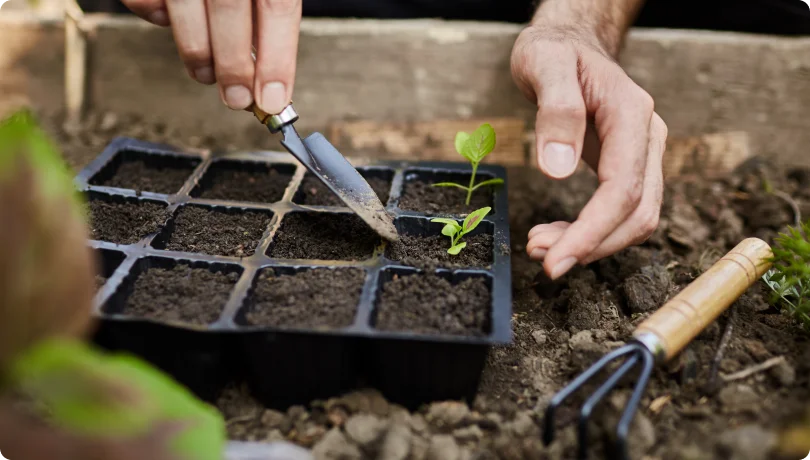
Seasonal transitions are not minor adjustments. They are strategic opportunities to protect your investment. When lawn care, hardscape maintenance, pool systems, and structures are prepared before each seasonal shift, your outdoor living space remains strong, safe, and beautiful year after year.
Start With a Design Consultation
If you want a landscape and outdoor living environment that is designed and maintained with long term performance in mind, start with a design consultation. We will walk your property, evaluate site conditions, discuss how your space functions through all four seasons, and provide recommendations that protect your investment and elevate your outdoor living experience.