.png)
.png)

Designing Outdoor Living That Goes Beyond the Basics

Step 1: Design for Real Life, Not a Feature List
Start with how you live. Not what you think you should add. When do you use the space. Who uses it. What do you want it to feel like on a normal Tuesday, not just when guests come over. The best outdoor spaces are built around routines: cooking, eating, lounging, kids, pets, quiet time, gatherings. Once those use cases are clear, the design becomes obvious and the budget becomes strategic instead of reactive.
- Where do people naturally gather today
- What feels awkward or unused right now
- Do you want dining, lounging, cooking, fire, shade, pool, play, or all of them
- What is the 1 area you want to upgrade first
- What is the long term end state if you build in phases
Step 2: Treat the Yard Like Outdoor Rooms
Going beyond the basics means zoning. You are not building one big hardscape. You are building connected rooms outside. A dining zone needs space for chairs to pull out. A lounge zone needs comfort and lighting. A cooking zone needs safe clearances and a work flow that makes sense. A pool zone needs circulation, visibility, and surfaces that stay comfortable in summer heat.
Step 3: Upgrade the Kitchen From a Grill Spot to a True Work Zone
A basic setup is a grill pushed against the house with no prep space and traffic cutting through it. A high end outdoor kitchen functions like an indoor kitchen. It has a logical work flow, safe spacing, and room for people to gather without getting in the way. Many designers use the kitchen triangle concept as a starting point, then adapt it to outdoor movement, seating, and social flow.
- What changes the experience
- Prep space that stays close to the grill
- Cold storage that prevents constant trips inside
- Task lighting for cooking and cleanup
- A seating edge that faces the cook
- Ventilation planning if the kitchen sits under cover
Step 4: Make Shade a Comfort Strategy, Not a Decorative Add On
Pergolas and covered structures are where outdoor living goes from occasional use to daily use. Shade control affects heat, glare, and whether the space feels inviting at 2 pm. Orientation matters. Sun changes by season and by time of day, so placement should be intentional. A shade study and sun path planning help determine where shade is needed most and how to angle the structure for comfort.
- Upgrades that move beyond the basics
- Louvered roofs for adjustable sun control
- Integrated lighting so the space works at night
- Fans or heaters to extend the season
- Privacy screening integrated into the design
Step 5: Use Lighting and Landscape to Make the Space Feel Finished
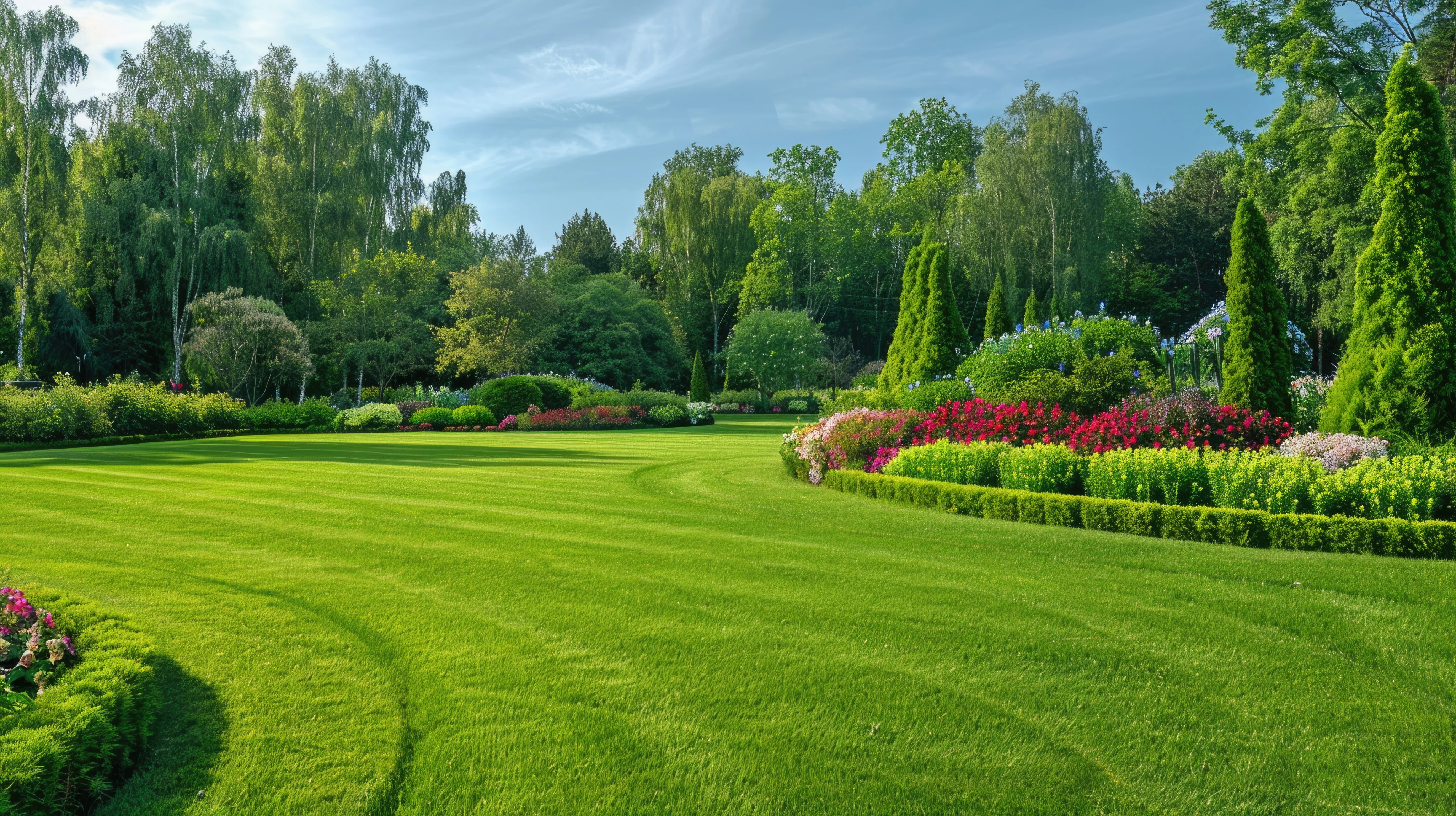
Many yards look unfinished because they stop at hardscape. The difference in a high end environment is what happens around the edges and after dark. Landscape provides softness, privacy, and scale. Lighting makes the space usable at night and brings attention to the right features. A layered approach is the standard: ambient light for overall glow, task light where you work and walk, and accent light to highlight textures and focal points.
- Simple, high impact moves
- Path lighting for safe circulation
- Accent lighting on stone, trees, and columns
- Task lighting at the kitchen and dining zones
- Consistent warm color temperature for a cohesive feel
How Stonehaven Designs Beyond the Basics
Our process starts with a design consultation. We listen to your vision, define how you want to use the space, and identify the features that will deliver the biggest lifestyle value. Then we validate site conditions and restrictions, and we build a master plan that ties everything together. Even if you build in phases, the final environment stays cohesive because every step connects back to one complete design.
Going beyond the basics is not about spending more. It is about planning better. When outdoor rooms are defined, kitchens are designed for real use, shade is placed with intention, and lighting and landscape complete the environment, the space feels calm, functional, and worth the investment.
Start With a Design Consultation
Every project begins with a focused design consultation. We will listen to your vision, walk your property, discuss recommendations, and clarify what makes sense for your layout, comfort, and investment range. You leave with clarity and a plan forward.