.png)
.png)

How Often Should You Maintain a High End Lawn?
Mowing Frequency: Timing Matters Most
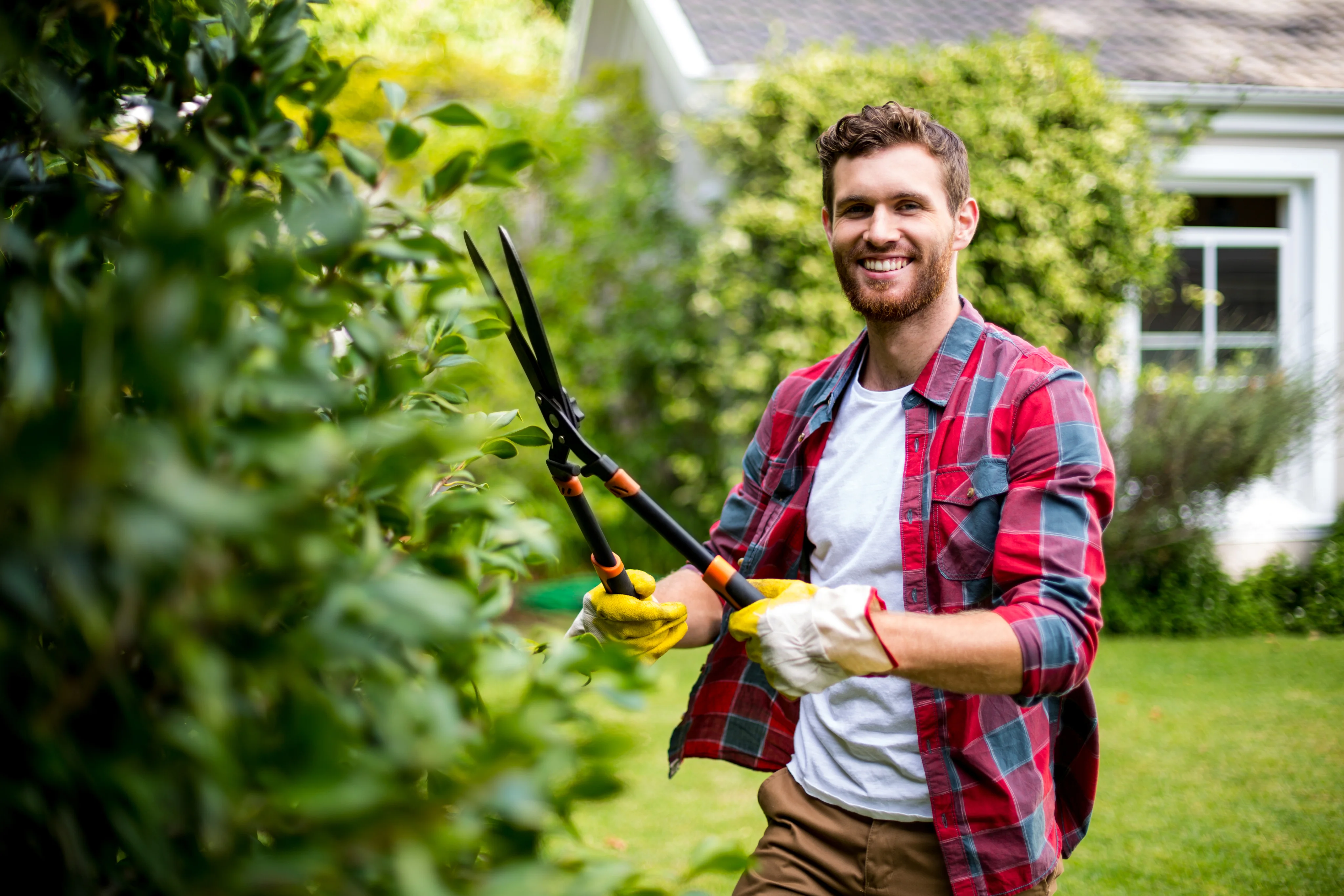
Mowing is the foundation of lawn maintenance. The goal is to keep grass at healthy heights, encourage strong roots, and prevent stress from cutting too short or too infrequently. A general rule of thumb is to mow during the active growing season whenever the grass grows beyond its optimal height. During peak growth in the spring, that may mean mowing as often as every 5 to 7 days. As summer heat slows growth, weekly or every 10 days may be enough. In slower seasons you may space cuts out further, even up to every two weeks. Adjust as needed for your grass type, growth rate, and weather conditions so you are generally removing no more than one third of the blade height each mowing.
Watering and Irrigation: Deep and Infrequent Wins
Watering is not about daily schedules. Experts recommend deep, infrequent watering so that moisture reaches below the surface and encourages roots to grow downward. Most lawns benefit from about 1 to 1.5 inches of water per week, delivered in one or two sessions rather than frequent light sprays. Early morning irrigation helps reduce evaporation and disease risk and gives healthy moisture before the heat of the day. Unless the lawn is new or under extreme stress, daily watering is usually not necessary.
Fertilization and Timing
Fertilization supports growth and vigor, but it must be timed with active growth periods. Lawn experts recommend feeding cool season grasses in the early spring and again in early fall when they are most responsive. Warm season grasses benefit from mid spring and summer feedings when growth is strong. Avoid fertilizing in the hottest months when heat stress can damage grass. Soil testing helps tailor fertilizer needs and prevents over application that can harm turf or the environment.
Seasonal Care: Aeration and Weed Control
Some maintenance tasks do not need weekly attention but are critical to long term lawn health. Aeration improves air, water, and nutrient movement into the root zone and is often best done once a year for most lawns, or up to every couple of seasons depending on traffic and soil compaction. Fall aeration is commonly recommended for cool season lawns to prepare for winter and encourage strong regrowth. Weed control and pest management should be proactive, with preventative measures applied before major growth periods to reduce competition for nutrients and light.
What High End Lawn Care Looks Like in Practice
High end lawn maintenance is not about doing everything every week. It is about doing the right things at the right time. In spring, focus on mowing when ready, early watering, and a first fertilization based on soil needs. In summer, let deeper waterings promote strong roots and raise mower height during heat. In fall, feed and prepare for winter, aerate if needed, and continue mowing until growth stops. Use the one third rule at every cut and keep blades sharp so grass is cut cleanly rather than torn.
Pro Tip: Change up your mowing pattern each session. Alternating directions and paths prevents soil compaction and encourages even growth so your lawn stays dense and uniform.
Protect Your Lawn From Wear and Traffic
High end lawns often fail not from poor mowing but from overuse and compaction. Repeated foot traffic in the same paths compresses soil and restricts root growth. If your lawn supports entertaining, kids, or pets, plan for traffic patterns.
Rotate seating layouts when possible. Use stepping stone paths in high traffic areas. Consider reinforced turf or integrated hardscape transitions near patios and pool entries. Periodic aeration relieves compaction and restores oxygen flow to the root zone.
A lawn that is protected from constant wear will stay thicker, greener, and more resilient over time.
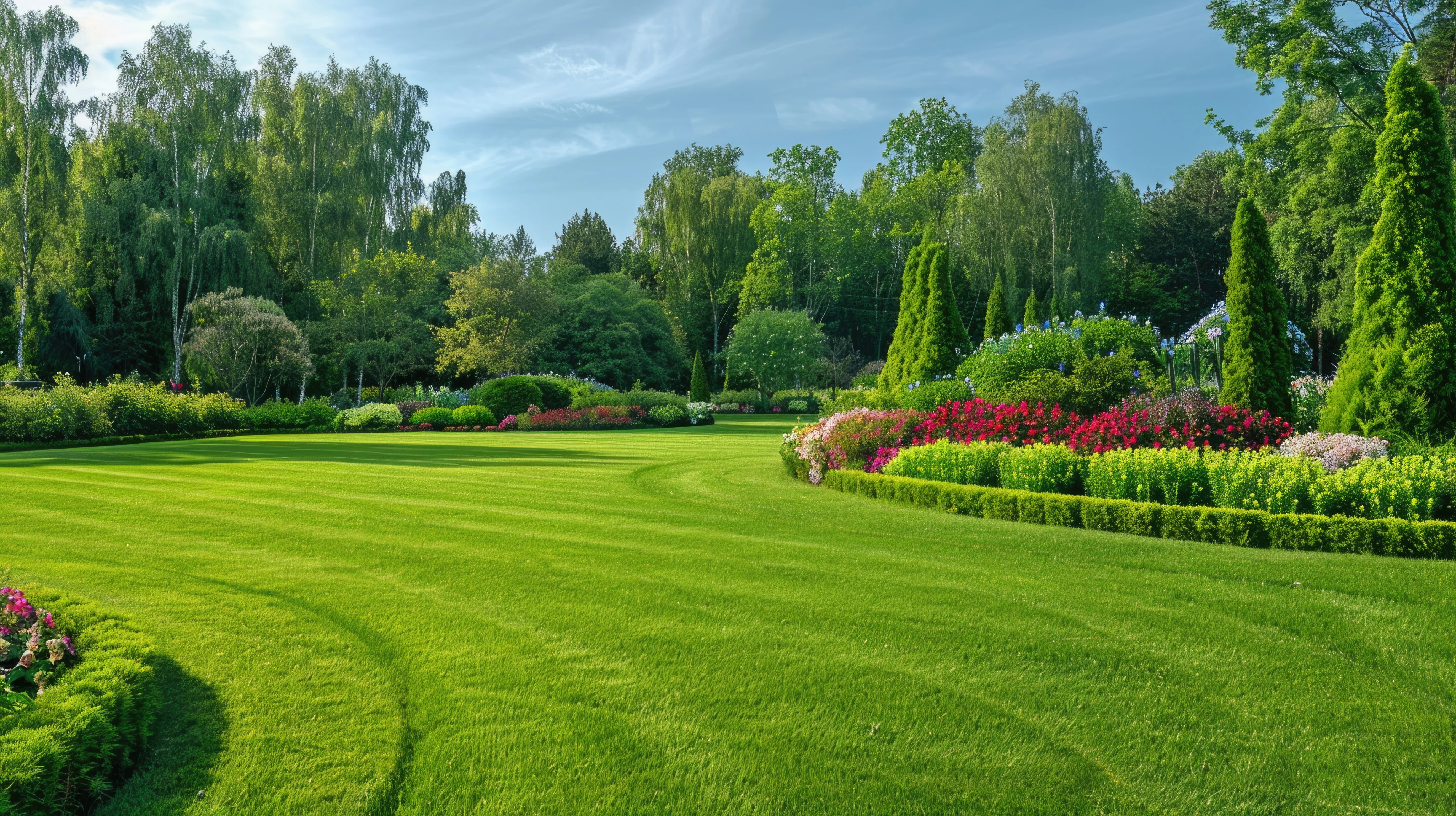
A high end lawn feels lush, smooth, and stable because it has been maintained with purpose, not habit. Matching mowing, watering, fertilization, and seasonal tasks to growth cycles, grass type, and climate keeps it healthy and enjoyable as part of your larger outdoor living environment. The right schedule makes your lawn a backdrop to how you live outside, not another task on your to do list.
Start With a Design Consultation
If you want an outdoor space where lawn integrates seamlessly with patios, lighting, and structures, start with a design consultation. We will walk your property, listen to your vision, and help you align every element into one cohesive plan that works for how you live.